
Monthly management
One predictable operating fee covers media planning, local ad placement, creative refreshes, and reporting instead of splitting the program across disconnected vendors.
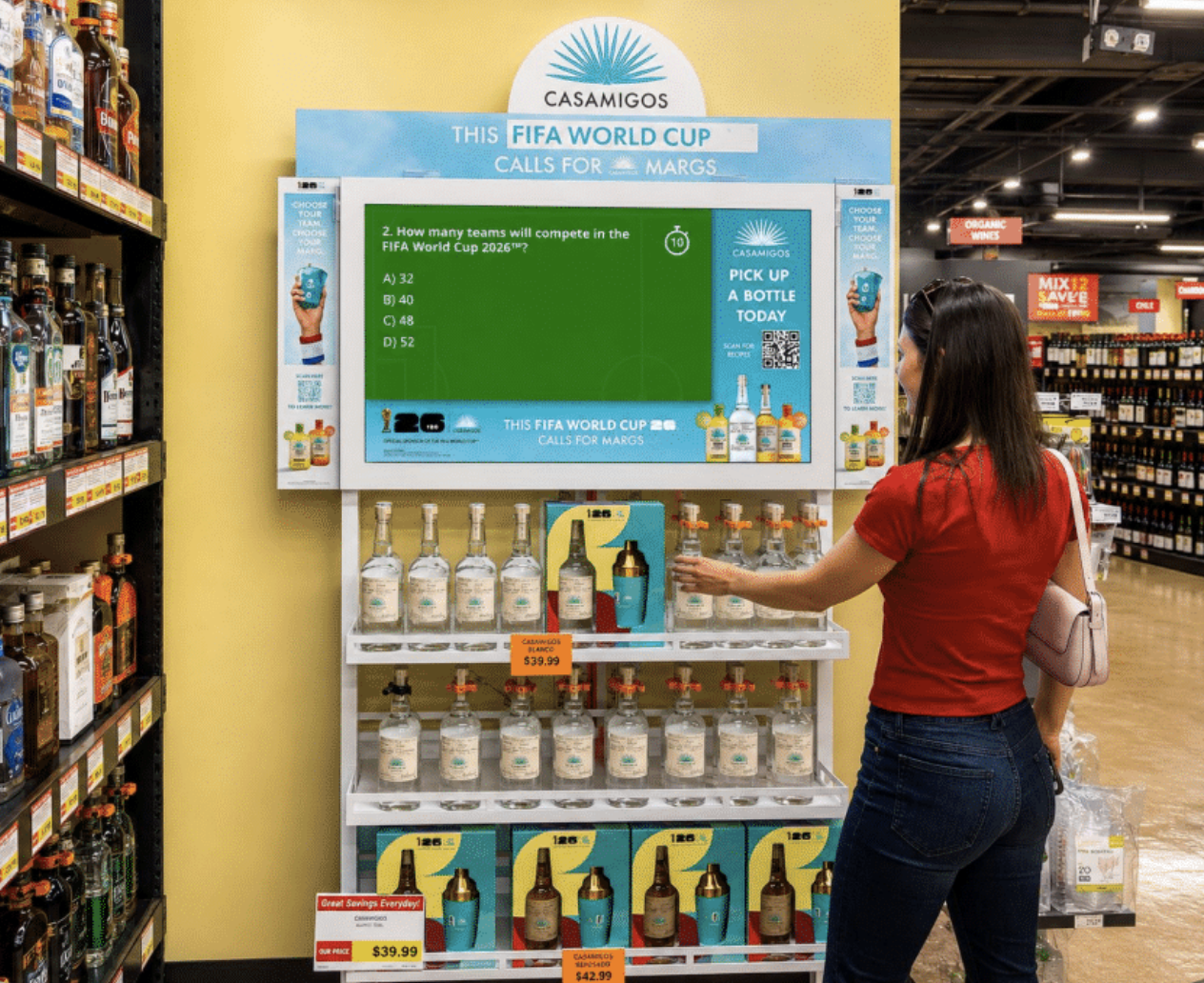
Spotlight Shipper combines in-store and local media, real-time tracking, merchandising support, and distribution logistics under one transparent fee structure, so you launch with clarity instead of scattered vendors.
01Showcase · Retail activation
A 90-day retail activation model designed to help brands secure attention at the shelf, support product movement on the floor, and see performance with far more clarity than a traditional brokerage-only rollout.
90 days
Retail activation sprint
3 layers
Media, logistics, merchandising
Live
Inventory and foot-traffic visibility
1 model
Monthly fee plus logistics allocation
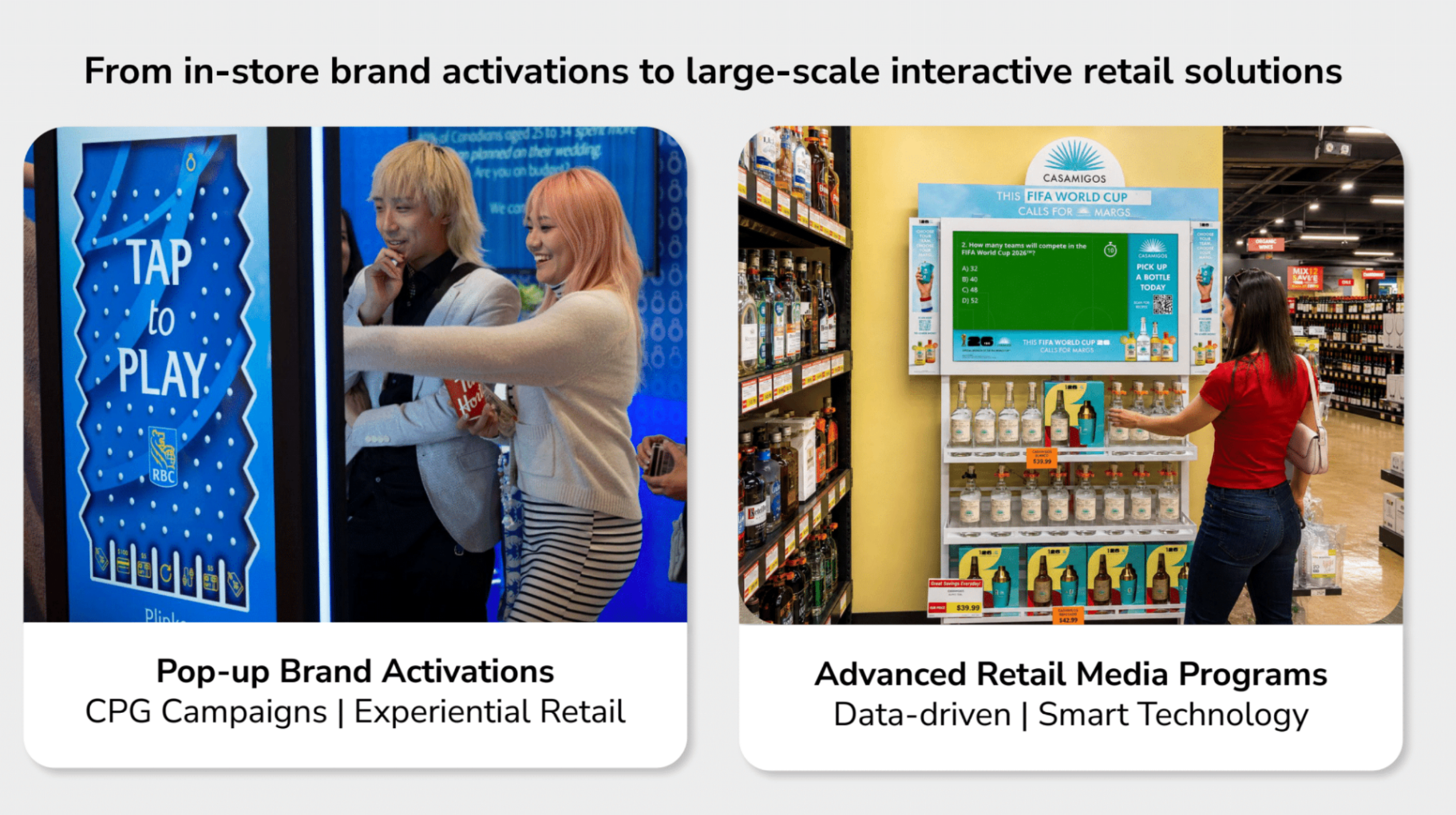
Presentation overview, merchandising formats from in-store activations to interactive retail media
02The retail bottleneck
Retail buyers are being asked to protect limited floor space, maintain sell-through, and avoid dead inventory. That makes it difficult for emerging brands to win placement with a standard shipper and a weak follow-up plan. The friction is not just placement, it is whether the display can actually create movement once it hits the floor.
Spotlight Shipper reframes the unit as an activation system. The display carries media, local demand generation, distribution coordination, and replenishment visibility in one program so the brand is not asking the retailer to take blind risk.
03Next-generation merchandising
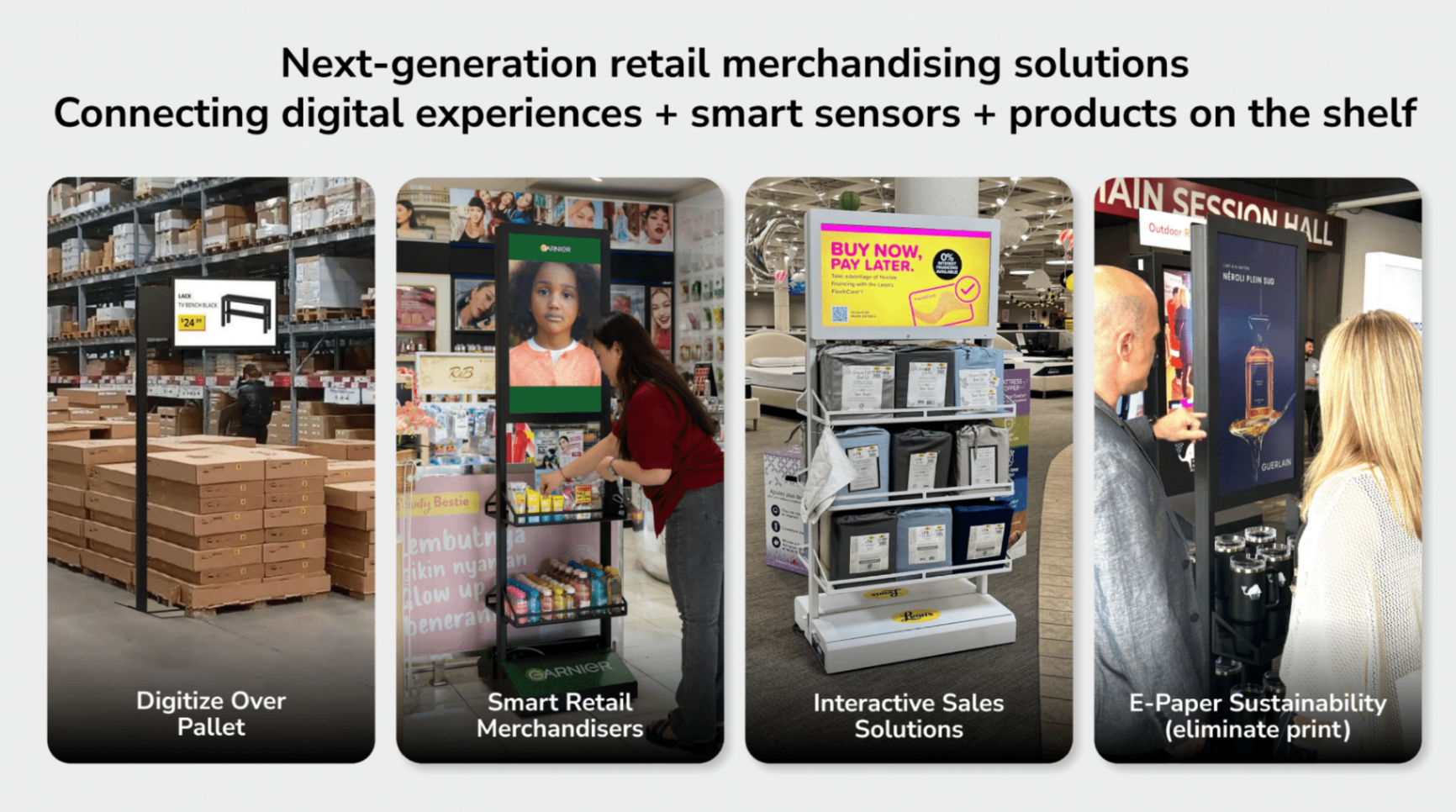
Instead of treating the display as packaging, the program turns it into a digital retail surface, a local promotion vehicle, and a measurable conversion point. That unlocks a very different in-store story for both the brand and the retailer.
04Managed framework
One predictable operating fee covers media planning, local ad placement, creative refreshes, and reporting instead of splitting the program across disconnected vendors.
The logistics layer handles onboarding, freight coordination, wholesale movement, and store-by-store setup so emerging brands do not get crushed by execution drag.
Display setup, replenishment checks, placement tuning, and day-to-day retail optimization are managed as part of the program, not left to chance.
05Display options
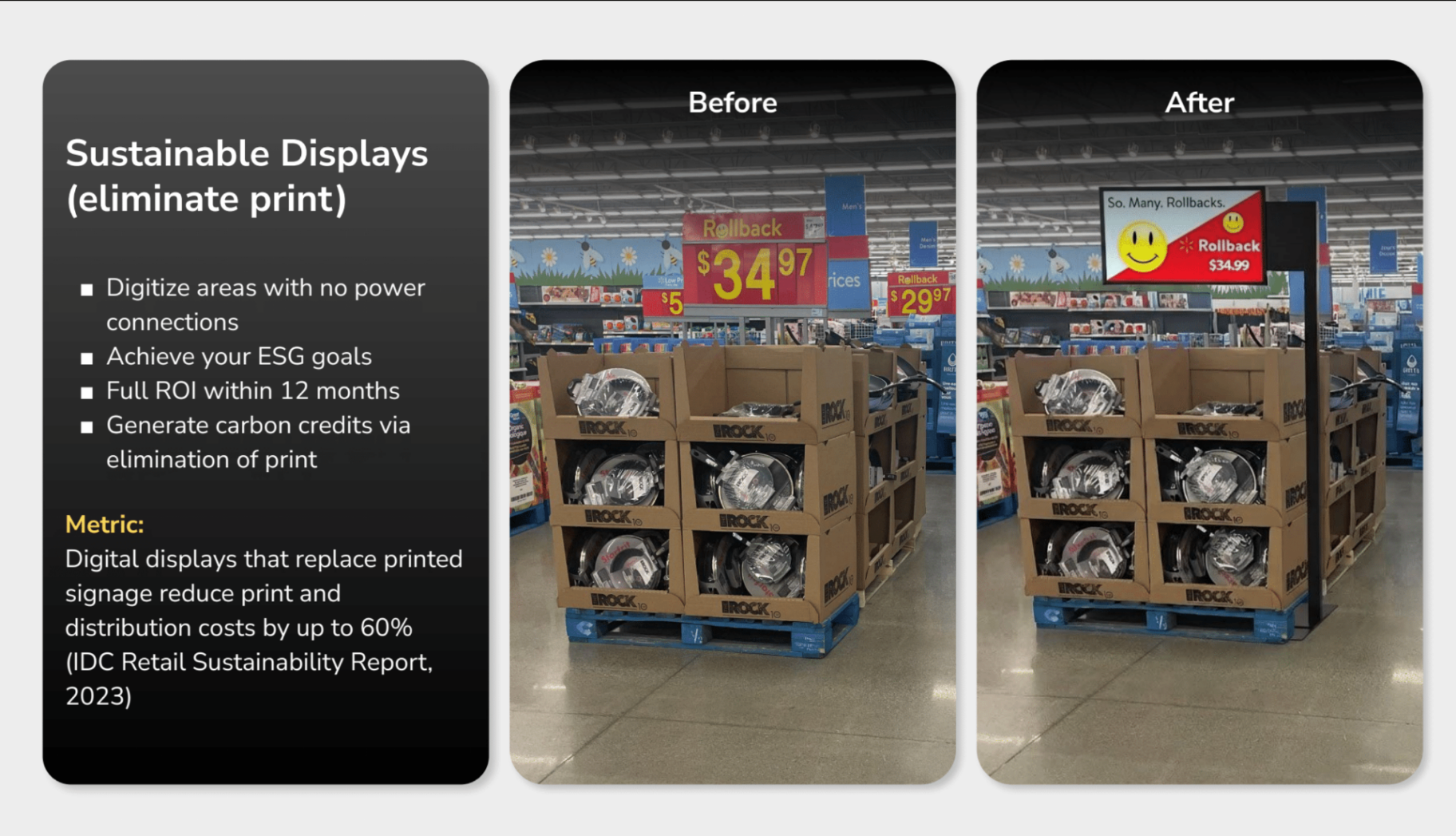
PRINT-FREE FORMAT
Digital display units replace static cardboard with reusable, high-visibility surfaces that can update creative without reprinting an entire shipper.
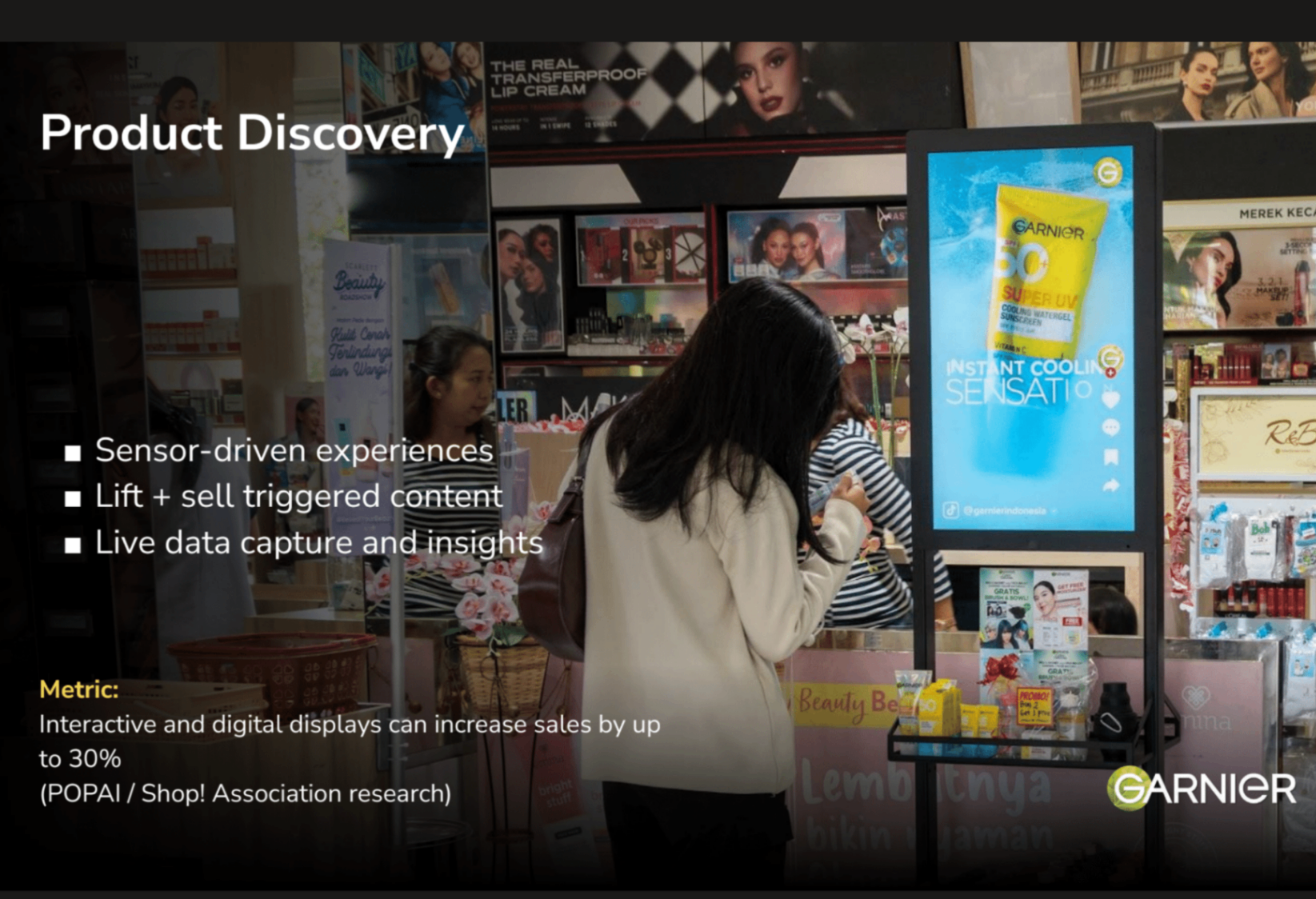
POINT-OF-PURCHASE EDUCATION
Interactive screens turn a shipper into a guided discovery moment, helping a shopper understand the product, notice the offer, and act at the exact shelf edge.
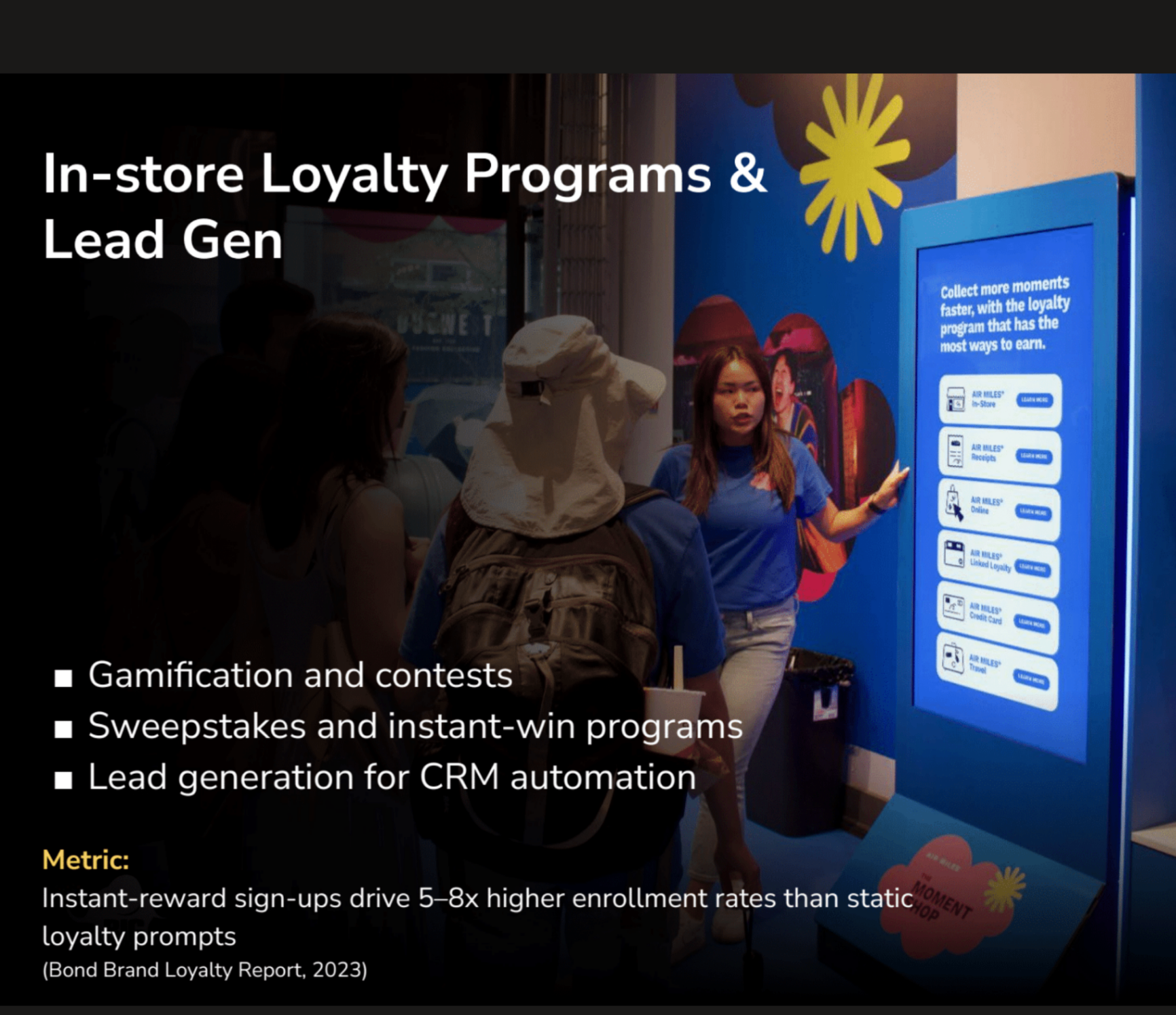
CRM CAPTURE
Gamified signups, sweepstakes, and QR-led loyalty prompts connect in-store engagement back to owned audience growth instead of ending at the aisle.
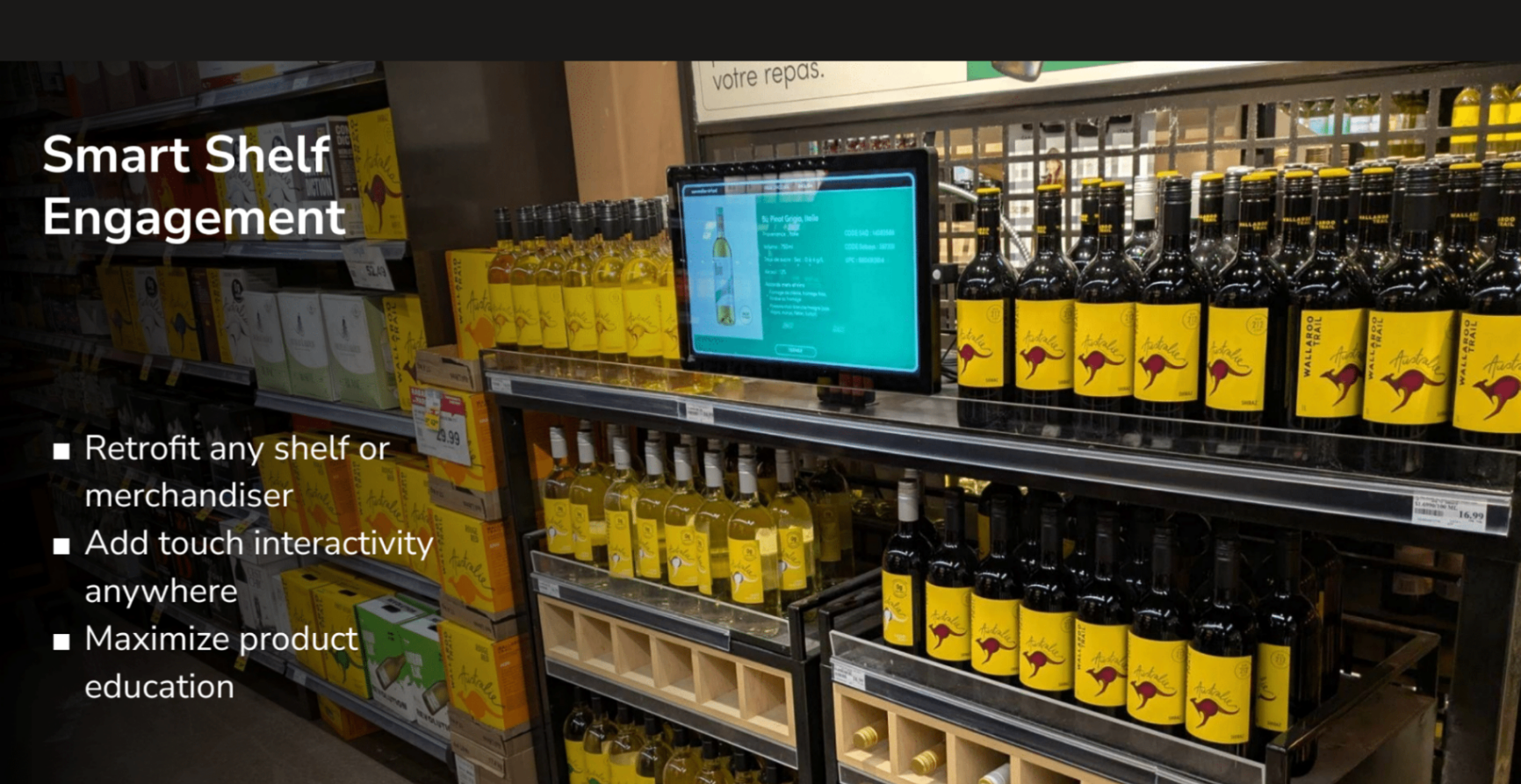
TOUCH INTERACTIVITY
Shelf-level screens and interactive fixtures add education and motion directly where product choice happens, giving the display a job beyond decoration.
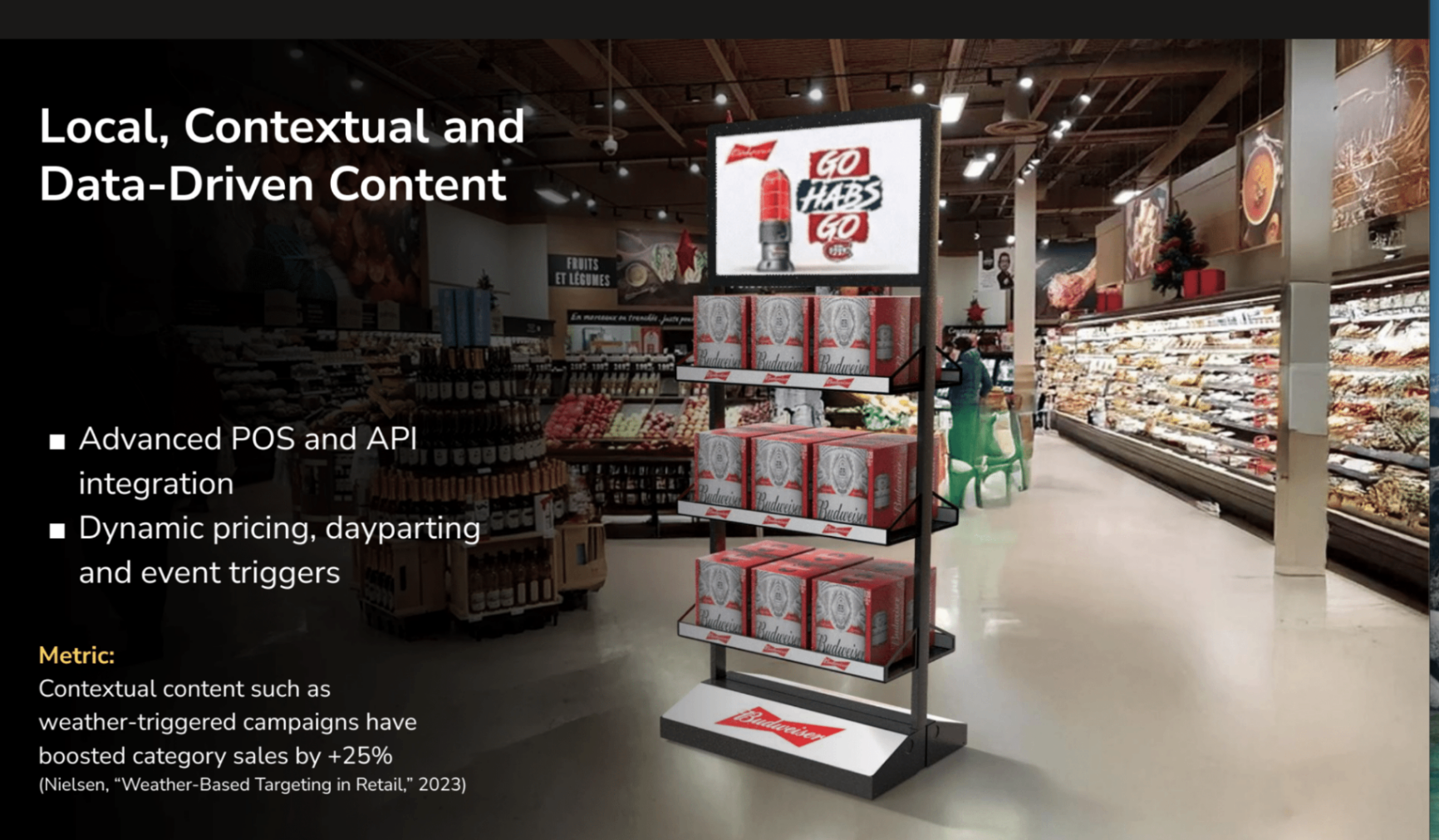
06Local activation layer
The program is not only about what the shopper sees at the display. Geotargeted digital ads, store-aware creative, and influencer or social amplification are designed to make the in-store unit feel like part of a local campaign rather than an isolated fixture.
Localized paid media can drive foot traffic to specific storefronts.
In-store screens reinforce the same message the shopper saw before arrival.
Regional creator or influencer support can give availability a real-world signal boost.
07Stock protection
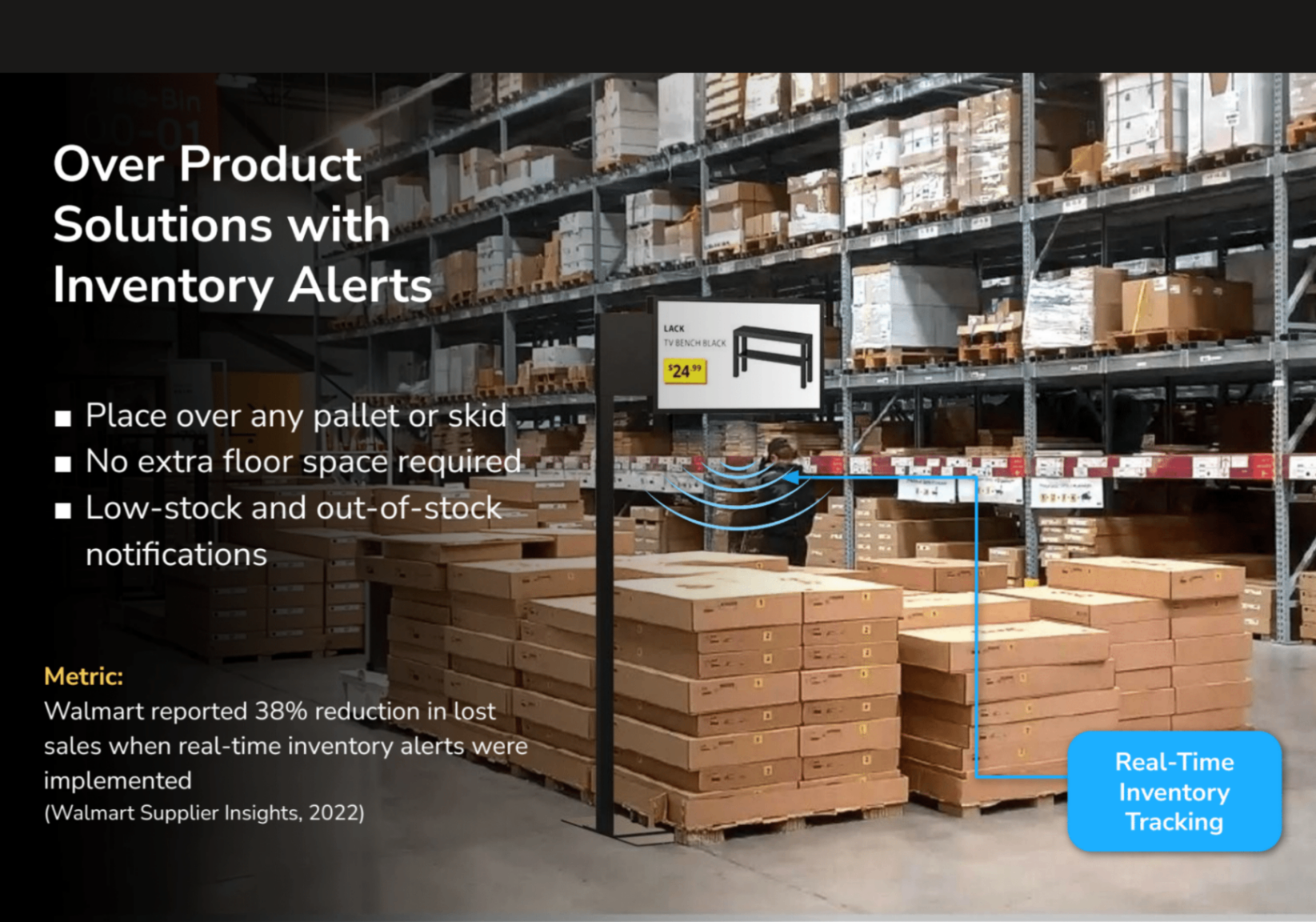
A well-designed shipper still fails if inventory vanishes. The Spotlight model includes real-time over-pallet or nearby inventory sensing so replenishment teams can react faster and the activation can keep doing its job.
08Data-driven ROI insights
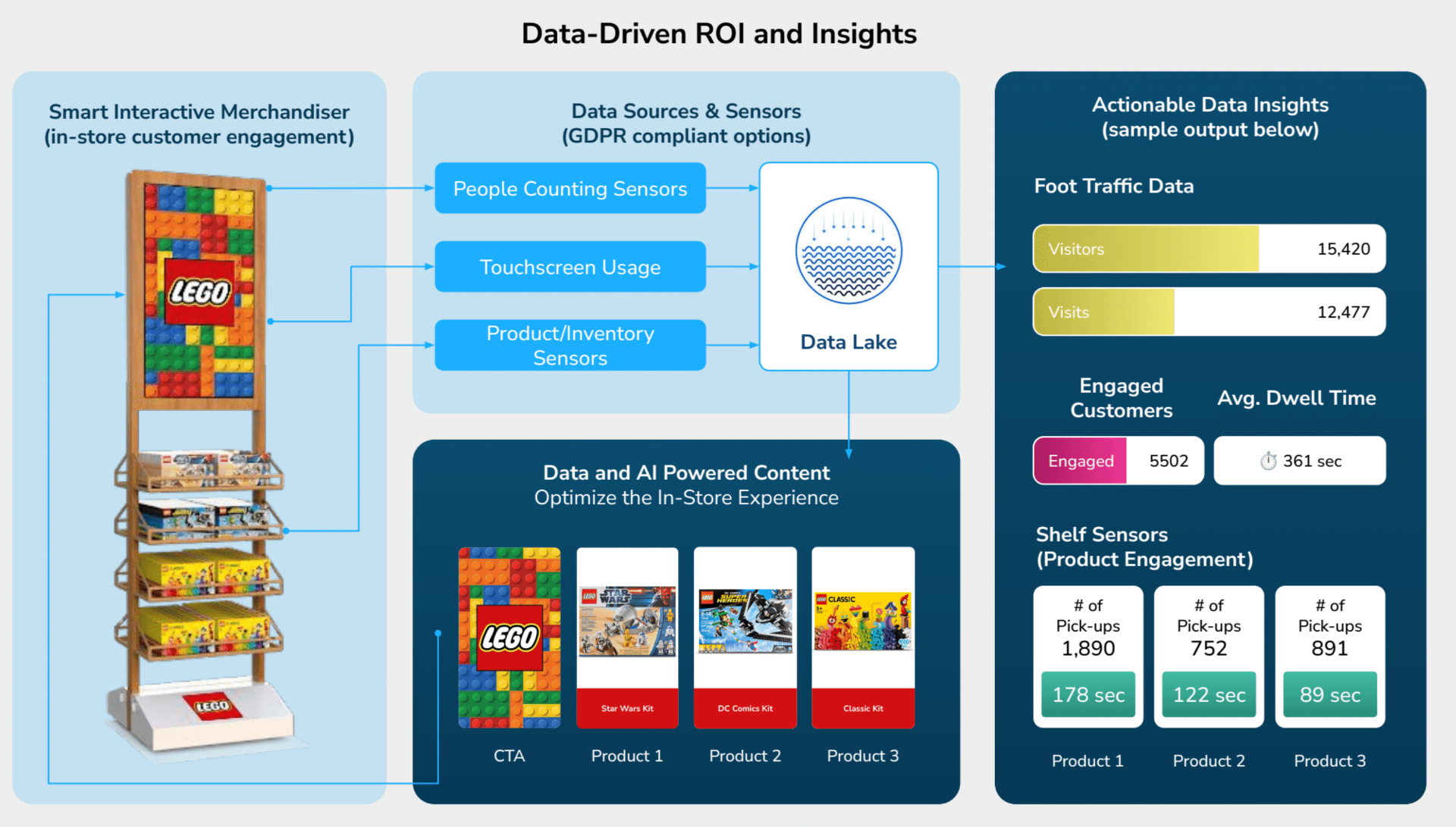
The analytics story is what separates a modern activation program from a promising display mockup. Foot traffic, dwell time, engagement, and pickup-level signals create a much stronger answer to the question every retailer asks after launch: did it work?
Instead of waiting for a late sales sheet and guessing what happened in-store, the program is designed to produce a live read on how people moved around the unit, what they interacted with, and where the replenishment or creative tuning should happen next.
What becomes visible
09Strategic comparison
10Demonstrated impact
"Interactive merchandising does more than dress the floor. It gives a brand a better shot at visibility, education, replenishment, and measurable movement at the exact point where retail decisions are made."
30%
Sales uplift reference
The deck cites industry research showing interactive digital displays can lift in-store sales velocity versus standard non-digital placements.
Real-time
Stock reaction window
The inventory layer is designed to reduce the lag between low-stock events and store response.
Localized
Demand generation
The media layer connects the activation to local shopper demand instead of relying on shelf presence alone.
Tell us the category, store target, and launch window. We can map where a Spotlight-style program fits, where it does not, and what the rollout would need to look like in the real world.